Which casting process is right for my part?
The route is chosen by geometry, alloy, quantity and the required condition of the finished part. We review this with you at the quotation stage.
What is die casting best suited to?
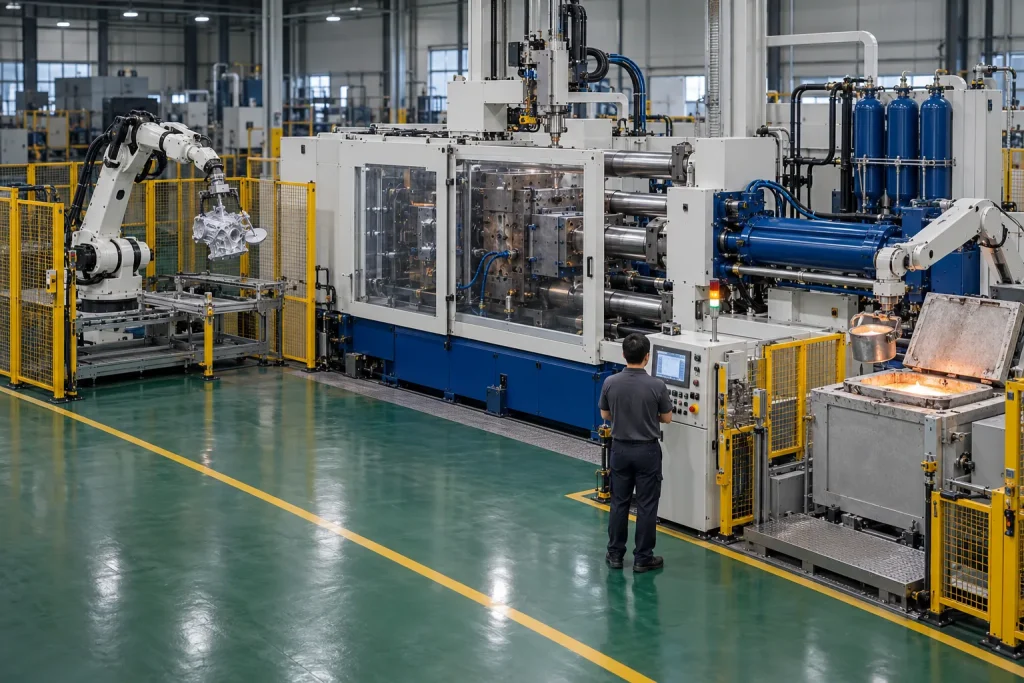
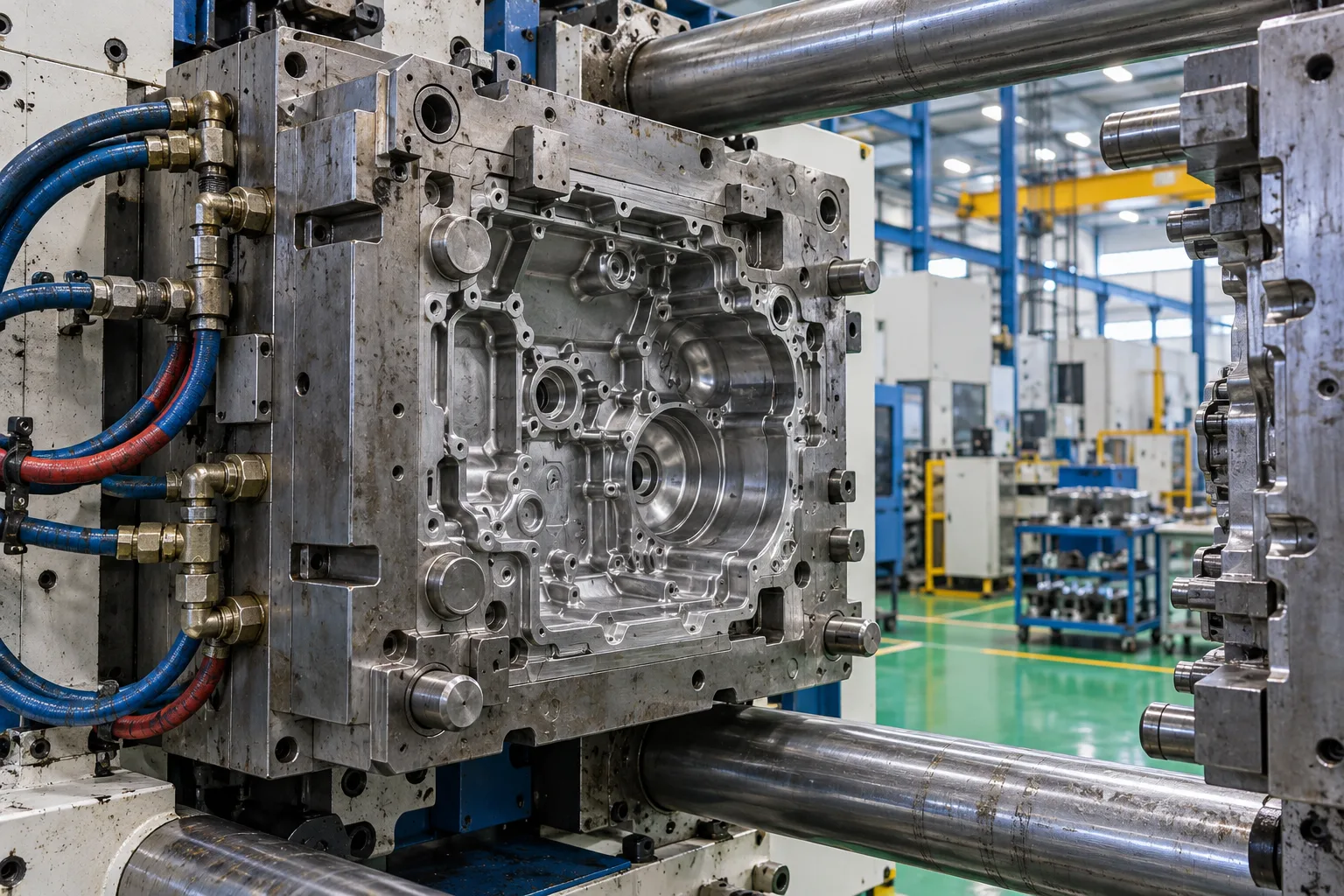
Aluminium and zinc parts with thin walls and repeatable dimensions, ordered in quantity. Molten metal is injected into a steel die under high pressure, and the cost of the die is spread across the production run.
When should I choose gravity casting instead of die casting?
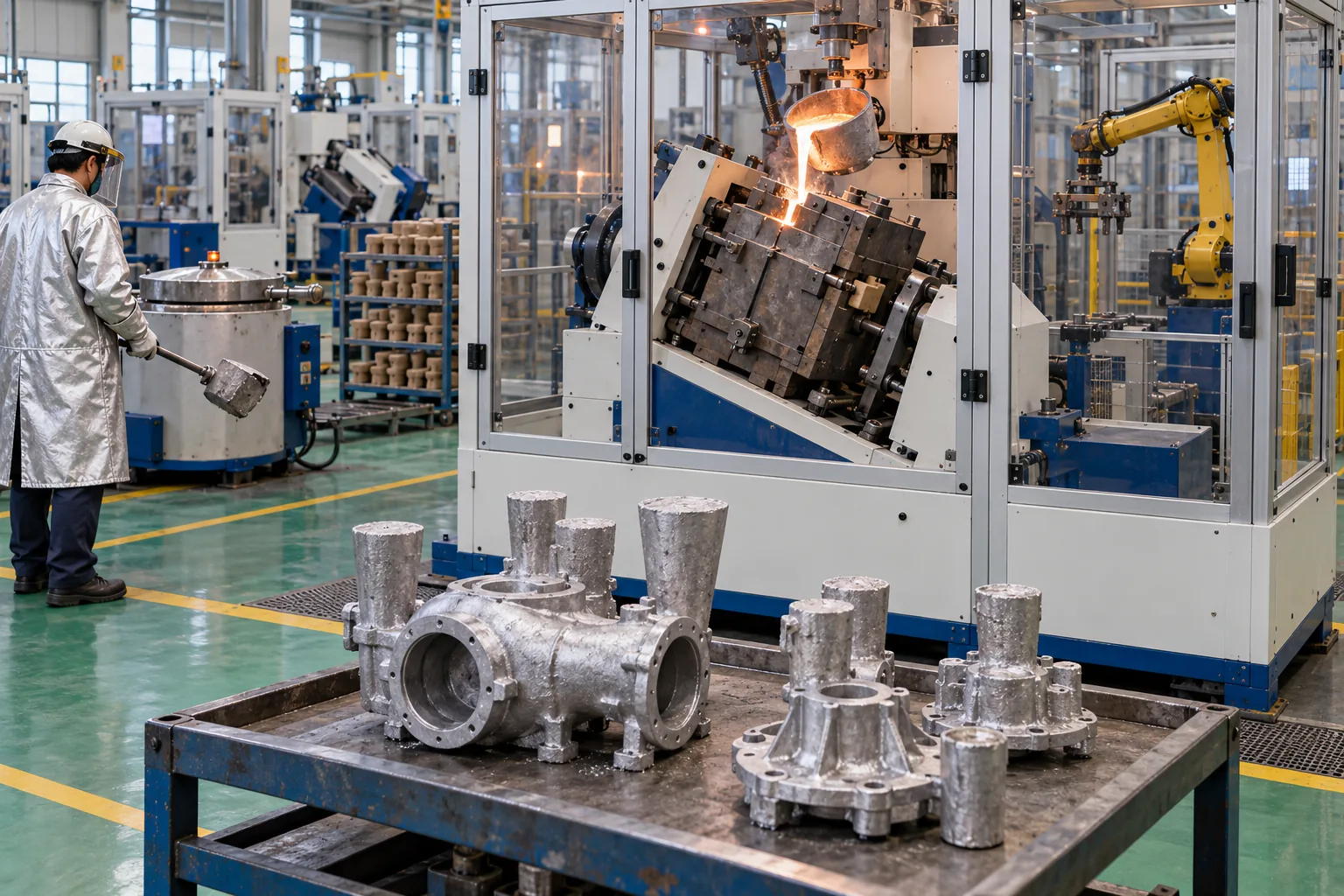
When a part has thicker sections, needs heat treatment or is ordered in lower volumes. In gravity casting, also called permanent-mould casting, metal fills a steel or cast iron mould under gravity. With well-controlled gating, pouring and venting, this can trap less air than high-pressure die casting.
When does sand casting make sense?
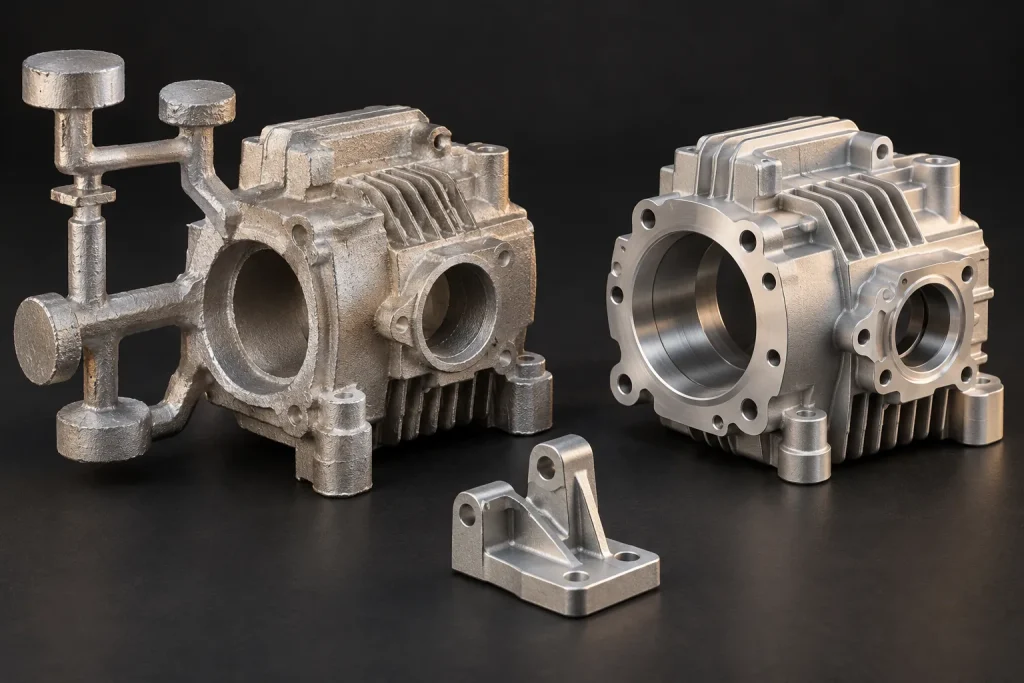
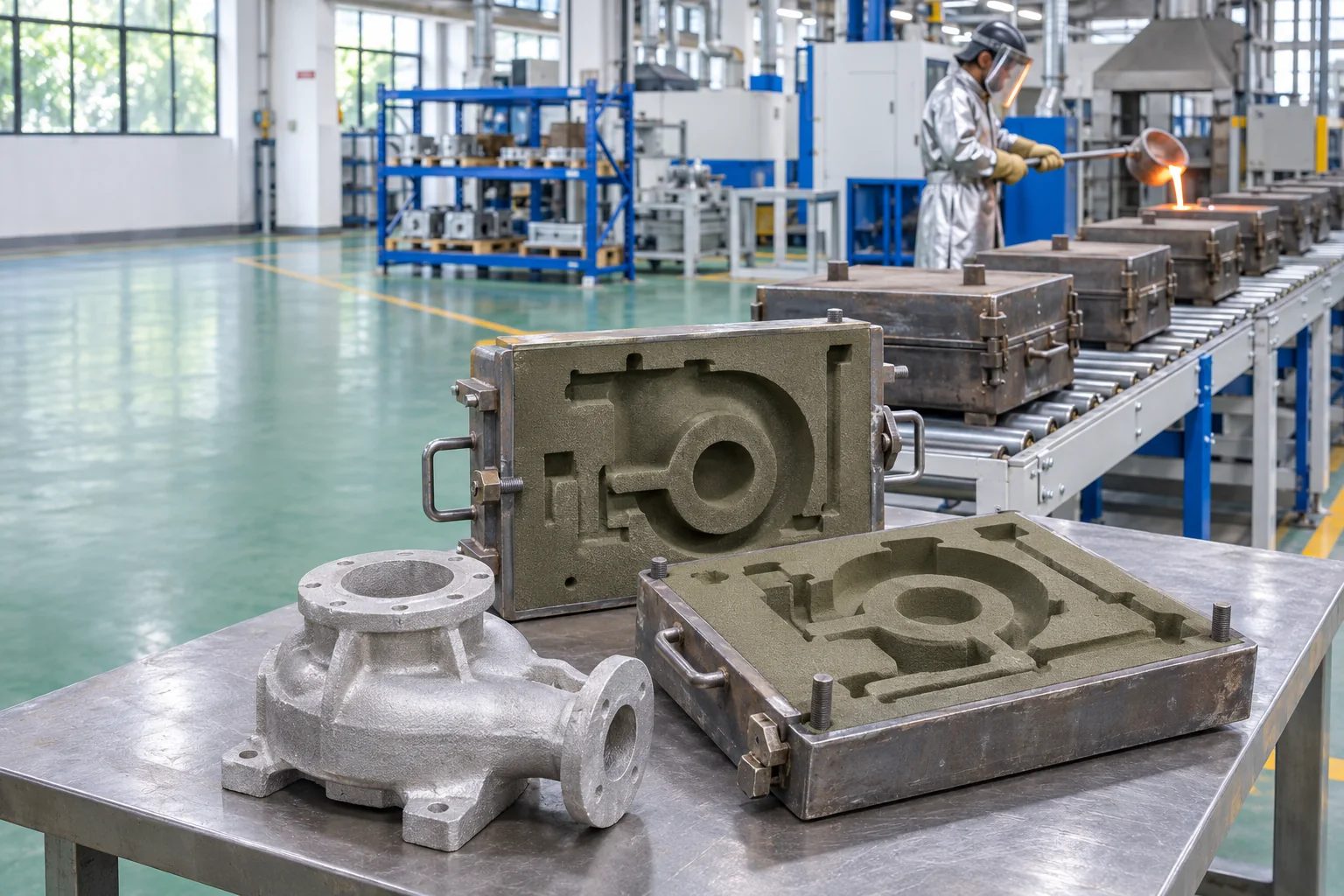
For larger parts, low volumes and first production runs, because sand tooling costs less than a metal die. The surface is rougher, so critical features are normally machined afterwards.
What parts suit investment (lost-wax) casting?
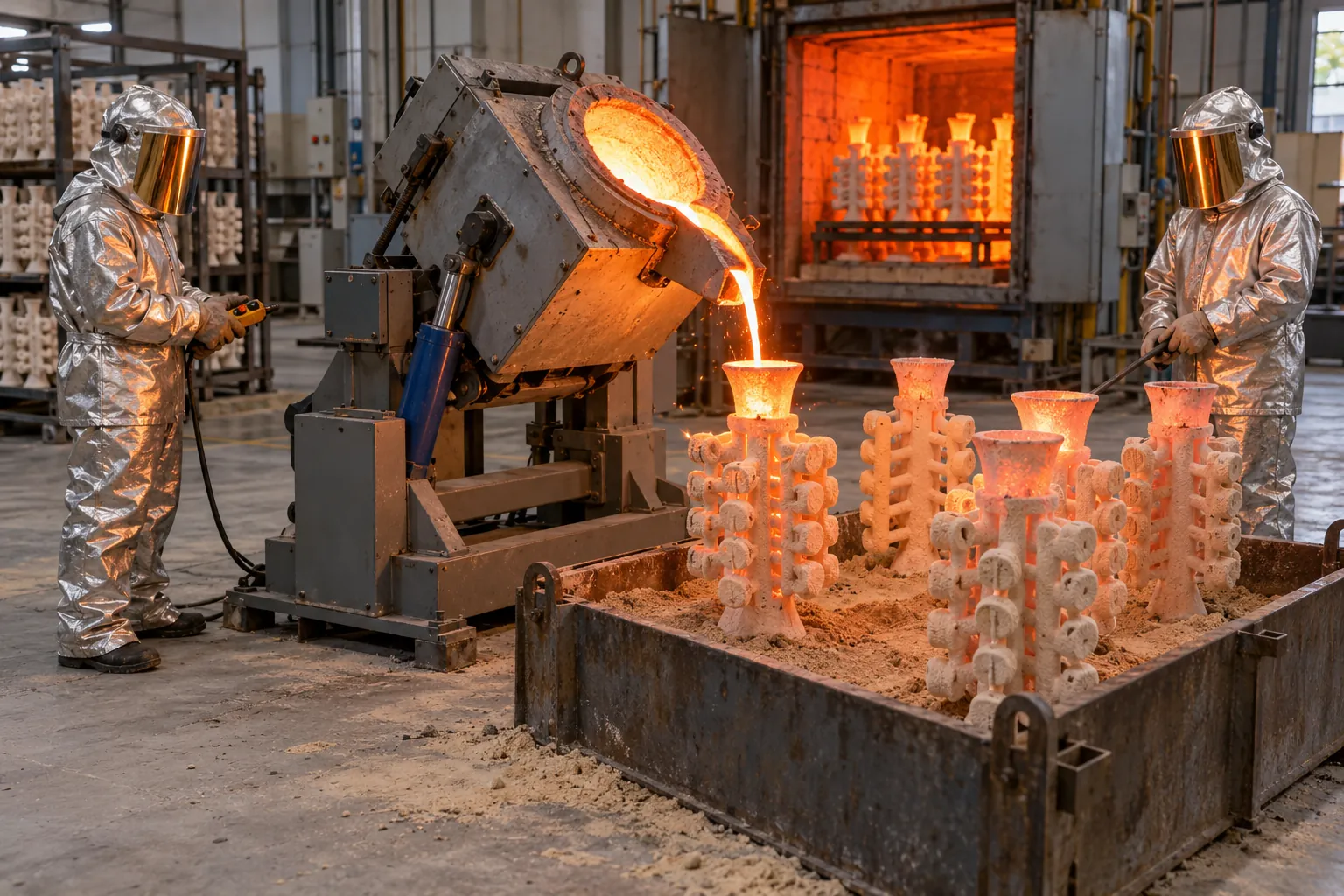
Complex steel and stainless steel parts that need fine detail close to the final shape. A wax pattern is coated in a ceramic shell, the wax is melted out and metal is poured into the shell.
Why choose forging instead of casting?
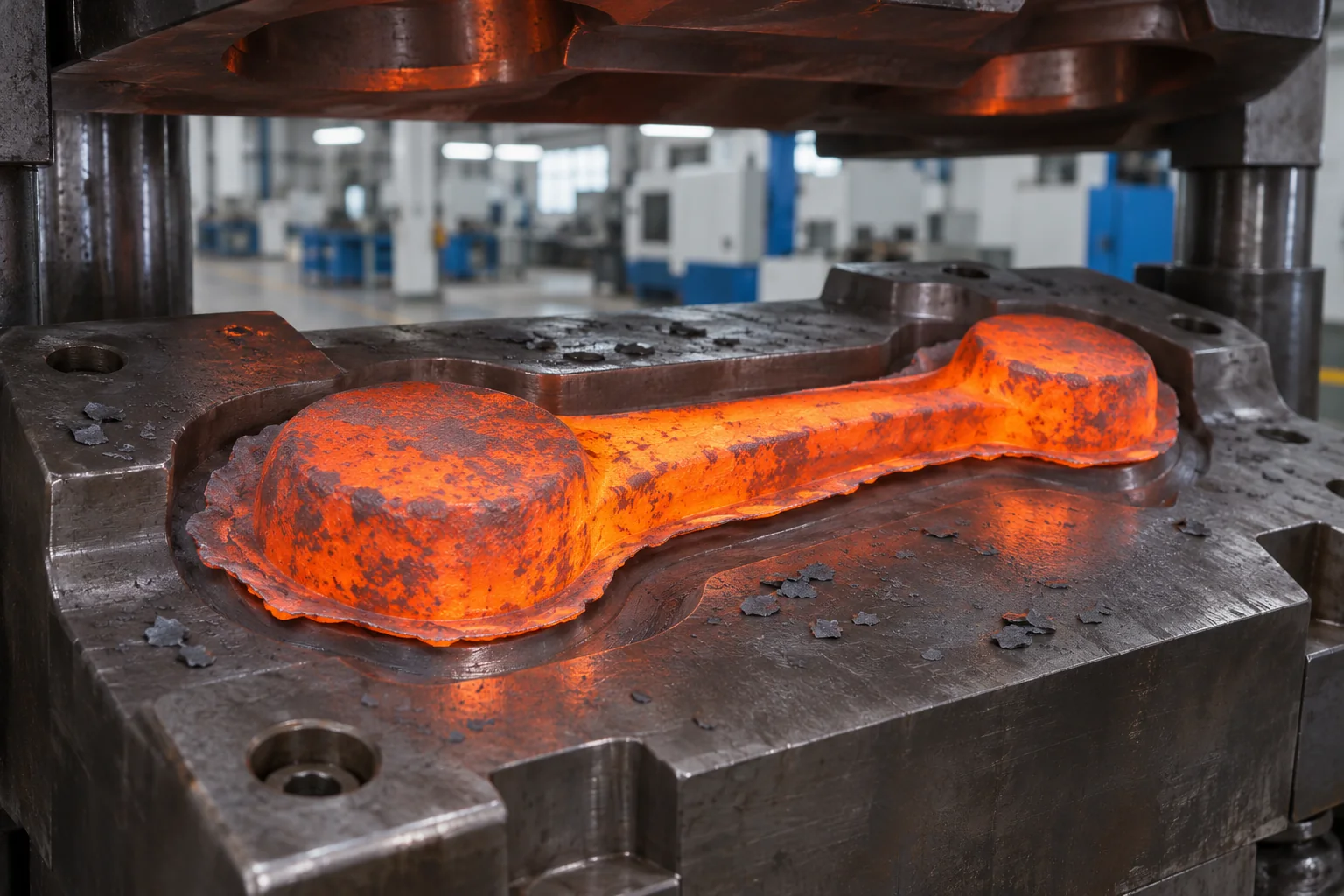
Forging shapes solid metal under compressive force, hot or cold, which gives a dense part without casting porosity and suits components that carry high loads. Forged shapes are simpler than castings, so details are often machined afterwards.
What is powder metallurgy and sintering used for?
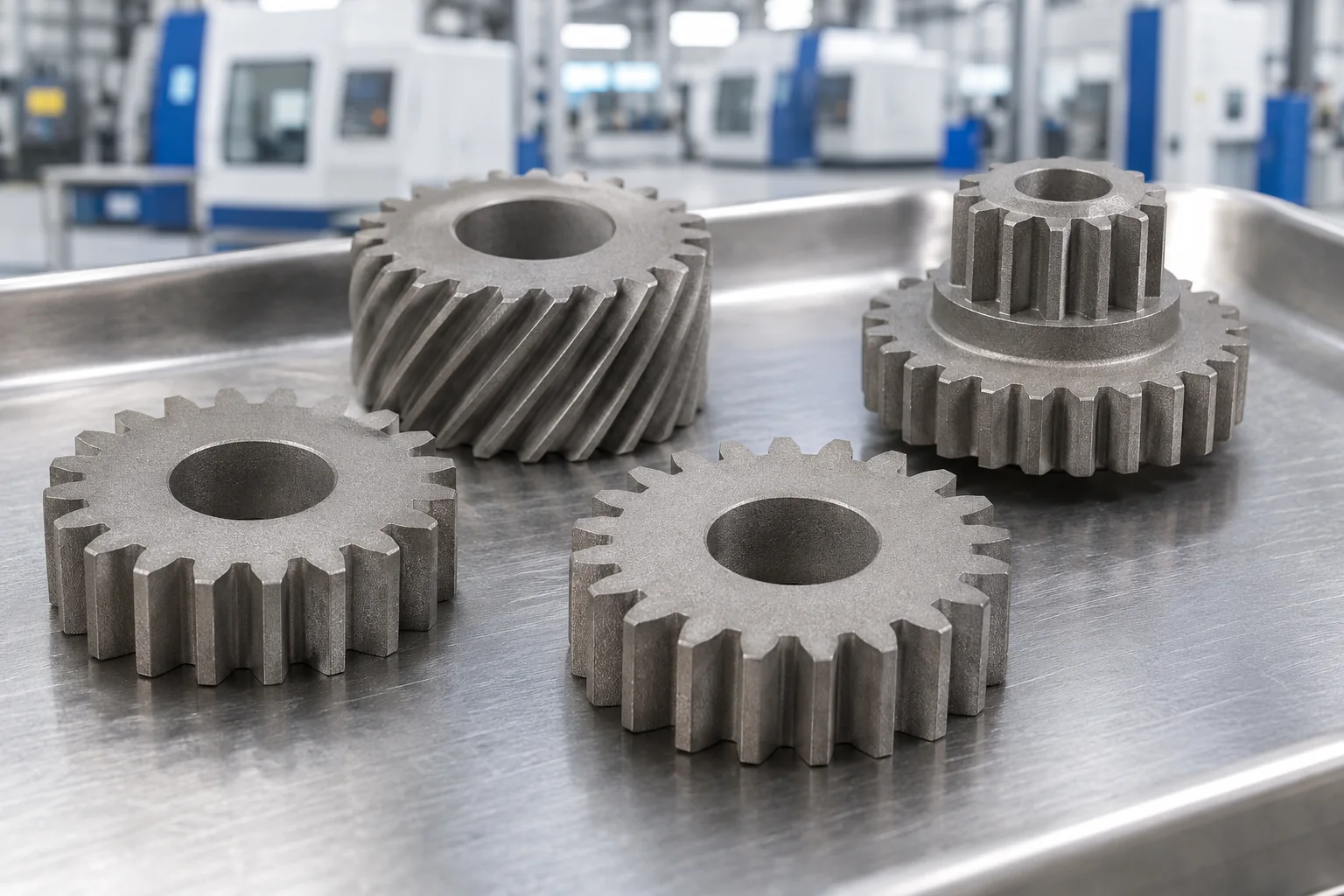
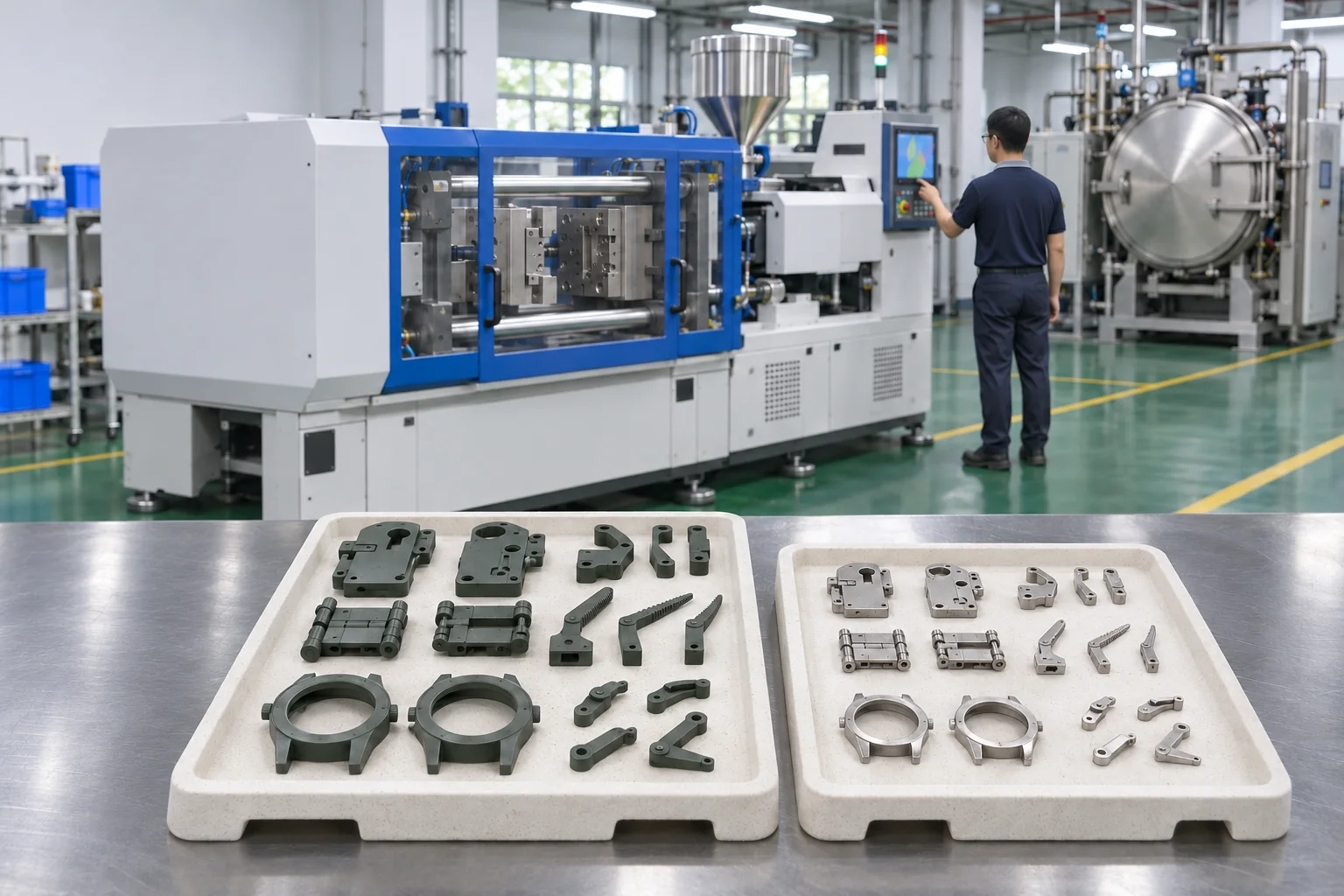
Parts such as gears and bushings made in volume. Metal powder is pressed to shape in a die and then sintered, which keeps material waste and later machining low. The shape must be able to release from a pressing die.
When is metal injection molding (MIM) the better choice?
For small, complex metal parts needed in volume, especially shapes that would take heavy machining or cannot be pressed in a powder metallurgy die. Part size and quantity need to justify the mould.
Do you offer secondary machining and finishing?
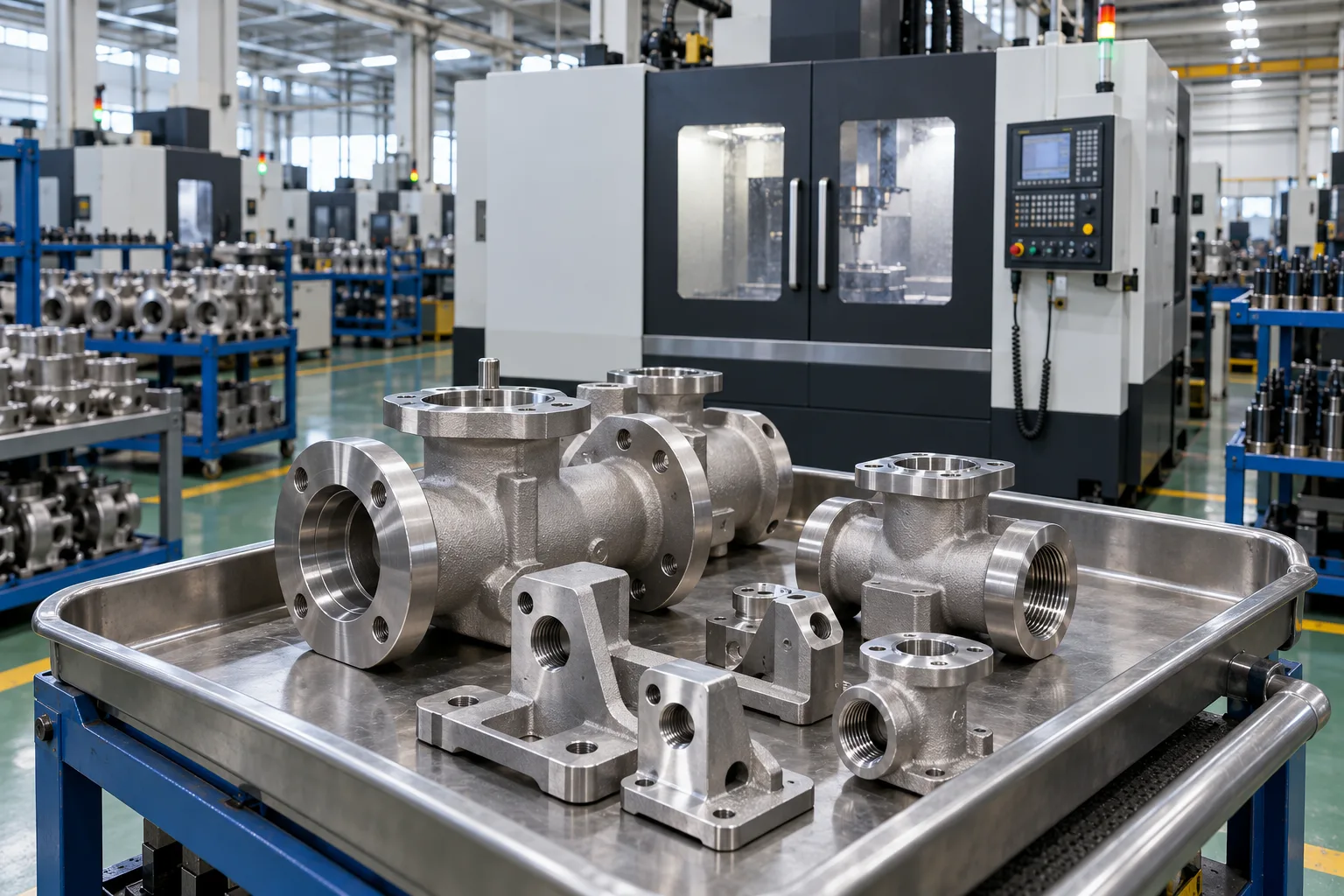
Yes. A casting, forging or sintered part can be supplied as an intermediate part or taken through machining, deburring, heat treatment, finishing and assembly.
Do you make the die-casting dies?
Yes, die-casting tooling is designed and built in our own tool room.