Additive manufacturing
Prototypes for design reviews, function tests and short runs
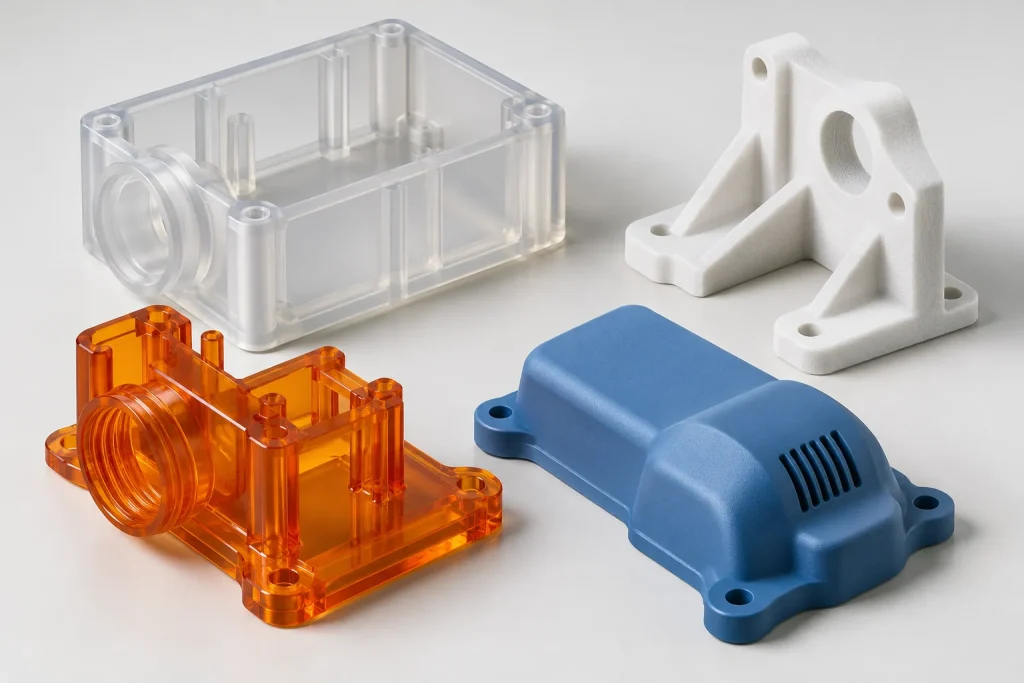
Rapid prototyping in China – 3D printing, CNC machined prototypes and vacuum casting – lets you test parts before you invest in an injection mold.
Our 3D printing services support physical design reviews, functional prototypes and suitable production applications. Technology selection depends on material availability, geometry, surface expectations and the purpose of the part, and post-processing and inspection requirements are considered when choosing the route.
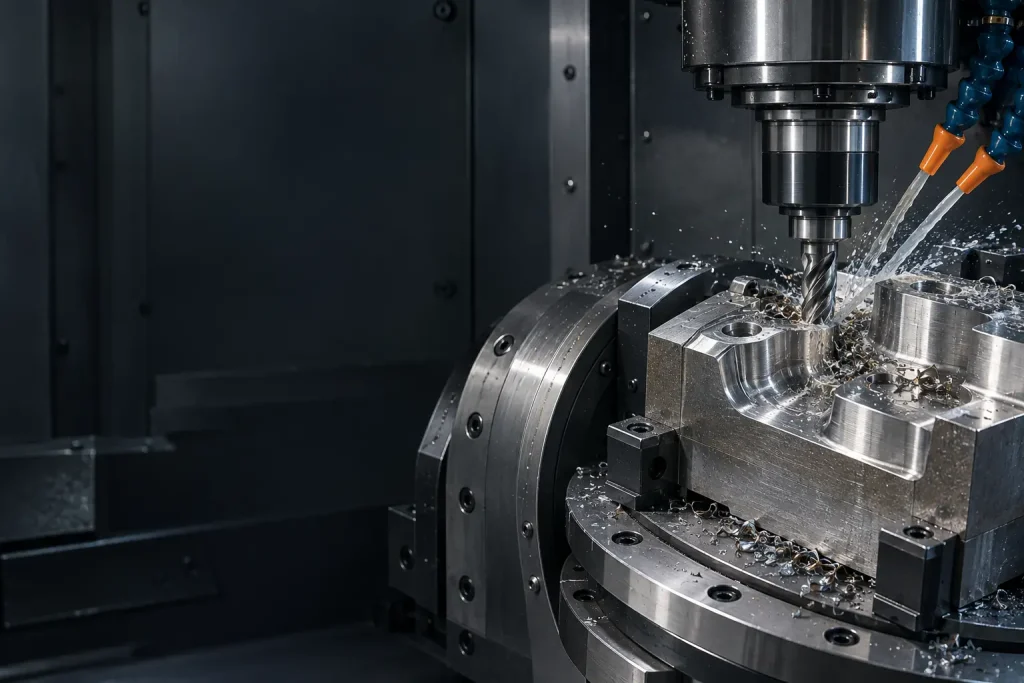
CNC machined prototypes in plastic and metal are also available, from 1 to 500+ parts.
3D printing technologies
- Fused deposition modelling (FDM)
- Stereolithography (SLA) and digital light processing (DLP)
- Selective laser sintering (SLS) and Multi Jet Fusion (MJF)
- PolyJet material jetting
- Selective laser melting (SLM) and direct metal laser sintering (DMLS)
- Binder jetting
Short-run replication
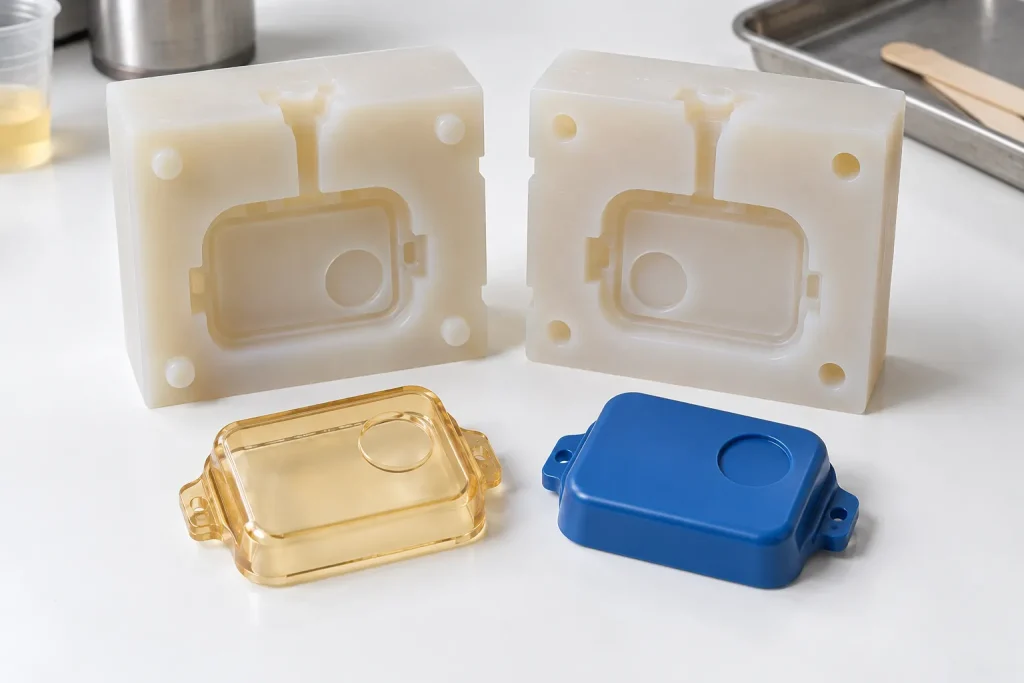
Vacuum casting and resin casting
For short-run replication, vacuum casting and polyurethane or resin casting provide additional options. These services support evaluation samples and limited production while longer-term tooling decisions are being finalised.
Prototyping options at a glance
| 3D printing | FDM, SLA/DLP, SLS/MJF, PolyJet, SLM/DMLS and binder jetting |
|---|---|
| CNC prototypes | Plastic and metal parts in the real material, from 1 to 500+ pieces |
| Vacuum casting | Small batches of 10–50 parts with near-production properties |
| Typical uses | Design reviews, form-and-fit models, function tests and short runs before tooling |
Prototyping: frequently asked questions
Which prototyping method should I choose?
3D printing is fastest for form-and-fit models, CNC-machined prototypes use the real material, and vacuum casting suits small batches of 10–50 parts with near-production properties.
Can prototypes be made in the production material?
Yes, CNC-machined prototypes are made from the actual plastic or metal, which makes them suitable for functional tests.
When should I move from prototypes to a mould?
When the design is validated and the expected quantities justify tooling. We plan that transition with you, including sample approval, tooling changes and the release of production documentation.